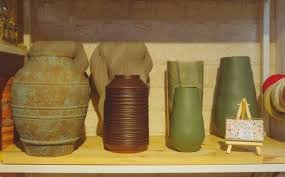
In the age of conscious living, the kitchen has become more than a place to cook—it’s a space where values, health, and sustainability intersect. As more people look to reduce their environmental impact and reconnect with natural materials, a new wave of traditional-meets-modern kitchen tools is emerging: clay utensils and eco-friendly kitchenware.
This is not just a return to basics—it’s a forward-thinking movement rooted in tradition.
Why Clay Cookware Is Stealing the Spotlight
Clay utensils and pots, once a staple in many cultures, are now at the forefront of sustainable kitchen design. With the modern shift toward slow food, mindful cooking, and natural living, clay is making an elegant, earthy comeback.
The Benefits of Cooking with Clay
-
Natural and Non-Toxic: Clay cookware is made from pure, untreated earth. No synthetic coatings. No metals. No leaching.
-
Better Flavor: Clay’s porous structure allows steam to circulate during cooking, enhancing taste and preserving nutrients.
-
Energy-Efficient: Clay retains heat longer, so your dishes stay warm even after turning off the stove.
-
Biodegradable and Earth-Friendly: When discarded, clay breaks down naturally without harming the environment.
From biryani cooked in a traditional handi to sourdough baked in a clay Dutch oven, food enthusiasts are rediscovering the joy of cooking the way their ancestors did.
Beyond Clay: The Eco Kitchen Revolution
Clay may be leading the charge, but it’s not alone. The eco-kitchen revolution includes a wide range of sustainable materials designed to replace the plastic and synthetic tools that clutter our countertops.
Leading Eco-Friendly Kitchen Materials
-
Bamboo: Renewable, fast-growing, and stylish. Bamboo is used for chopping boards, ladles, and even dinnerware.
-
Wood: Long-lasting and biodegradable, wood is a staple in eco-kitchens for cutting boards, utensils, and serving platters.
-
Coconut Shells: Repurposed into beautiful bowls and ladles, coconut shells turn waste into functional art.
-
Stainless Steel: Recyclable, durable, and toxin-free—a classic for those seeking longevity and performance.
-
Silicone (Food-Grade): A safe, reusable alternative to cling film, baking paper, and plastic lids.
What’s Driving the Shift?
Conscious Consumerism
Today’s consumers are not just buying products—they’re supporting values. Brands that offer transparency, sustainability, and ethical production are winning loyalty.
Zero-Waste Lifestyles
With minimalism and zero-waste living gaining traction, people are opting for multi-use, long-lasting products over disposable ones.
Cultural Heritage and Craftsmanship
Handmade clay and wooden items often support rural artisans and preserve centuries-old craftsmanship, blending beauty with purpose.
What to Look for When Shopping
When building an eco-friendly kitchen, it’s important to choose wisely. Not all “green” products are created equal.
-
Go Local and Handmade: Local artisans and small businesses often provide the most authentic and sustainable products.
-
Certifications Matter: Look for labels such as BPA-free, compostable, or responsibly sourced.
-
Avoid Greenwashing: Just because something looks natural doesn’t mean it is. Check the material and manufacturing details.
Building a Greener Kitchen—One Tool at a Time
Transforming your kitchen doesn’t mean replacing everything overnight. It’s about making intentional choices. Start small:
-
Swap plastic containers for glass or steel.
-
Replace Teflon pans with clay or cast iron.
-
Choose bamboo spatulas over plastic ones.
-
Use beeswax wraps instead of cling film.
Every change counts—and collectively, these shifts are reshaping the future of cooking and consumption.
Final Word: Cooking with Purpose
Incorporating clay cookware and eco-friendly tools into your kitchen isn’t just a design choice. It’s a statement—a declaration that what you cook with matters just as much as what you cook.
By turning to the earth for our tools, we’re not only embracing sustainability—we’re rediscovering the soul of cooking. And that might just be the most delicious part.