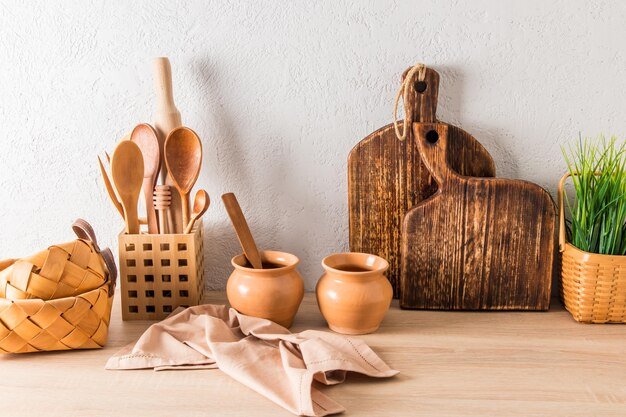
The heart of the home—the kitchen—is undergoing a quiet revolution. As more people seek to live healthier, more environmentally responsible lives, our choice of cookware and utensils is being reimagined. Leading this change is a powerful shift toward clay utensils and eco-friendly kitchenware, rooted in tradition but perfectly suited for today’s conscious lifestyles.
A Cultural Comeback: Why Clay Belongs in Modern Kitchens
Clay has been used for centuries to cook wholesome meals across the globe—from the tagines of Morocco to the handis of India. Today, this humble material is re-entering the spotlight, not just as a nod to tradition, but as a smart and sustainable alternative to synthetic cookware.
What Makes Clay So Special?
-
Natural & Chemical-Free: Unlike coated pans and plastic tools, clay is made from earth—no toxins, no additives.
-
Slow Cooking, Better Results: Clay encourages slow, even heating, locking in flavor and nutrients.
-
Sustainable by Nature: Biodegradable and abundant, clay cookware leaves a minimal footprint on the planet.
-
Culturally Rich: Using clay honors indigenous knowledge and supports small-scale artisanship.
Whether you’re cooking curries, soups, or even baking bread, clay offers a unique depth of flavor and texture that other materials simply can’t match.
The Rise of the Eco-Conscious Kitchen
Beyond clay, today’s kitchens are being redesigned with sustainability in mind. Shoppers are ditching mass-produced plastic and opting for natural, reusable, and biodegradable materials.
Popular Eco-Friendly Kitchen Tools:
-
Wooden and Bamboo Utensils: Renewable, durable, and compostable.
-
Coconut Shell Bowls and Spoons: Upcycled and handcrafted from agricultural waste.
-
Recycled Metal Cookware: Long-lasting and easily recyclable.
-
Plant-Based Cleaning Tools: Brushes made from sisal, coconut fibers, or hemp.
-
Beeswax Wraps and Silicone Covers: Replacing single-use plastic wraps with reusable, non-toxic options.
Rethinking the Way We Cook
Switching to eco-friendly kitchenware is more than a stylistic upgrade—it’s a change in mindset. It’s about choosing quality over quantity, durability over disposability, and purpose over convenience.
Here’s Why the Shift Is Catching On:
-
Health Awareness: Consumers are becoming wary of microplastics and chemical coatings. Natural materials offer peace of mind.
-
Minimalist Lifestyles: Less clutter, more function. Eco-friendly tools often serve multiple purposes and last longer.
-
Support for Local Craft: Artisan-made clay and wood utensils not only reduce carbon footprints but preserve ancient skills and local economies.
-
Environmental Urgency: With growing concern over landfill waste and climate change, every sustainable switch counts.
Getting Started: Easy Eco-Swaps for Every Kitchen
You don’t need to overhaul your kitchen in a day. Start with simple changes:
-
Replace plastic spatulas with wooden or bamboo ones.
-
Add a clay pot or pan to your cookware collection.
-
Use stainless steel or glass containers instead of plastic.
-
Choose cloth napkins and reusable cleaning cloths.
-
Store food with beeswax wraps or silicone lids.
These small steps can dramatically reduce kitchen waste and make your daily routines more planet-friendly.
Conclusion: Sustainability Starts at the Stove
Incorporating clay utensils and eco-friendly tools into your kitchen is a tangible, everyday way to care for your health and the environment. These choices aren’t just about aesthetics—they represent a lifestyle that values simplicity, mindfulness, and long-term impact.
In the end, the way we cook—and what we cook with—has the power to nourish not just our bodies, but our planet.